
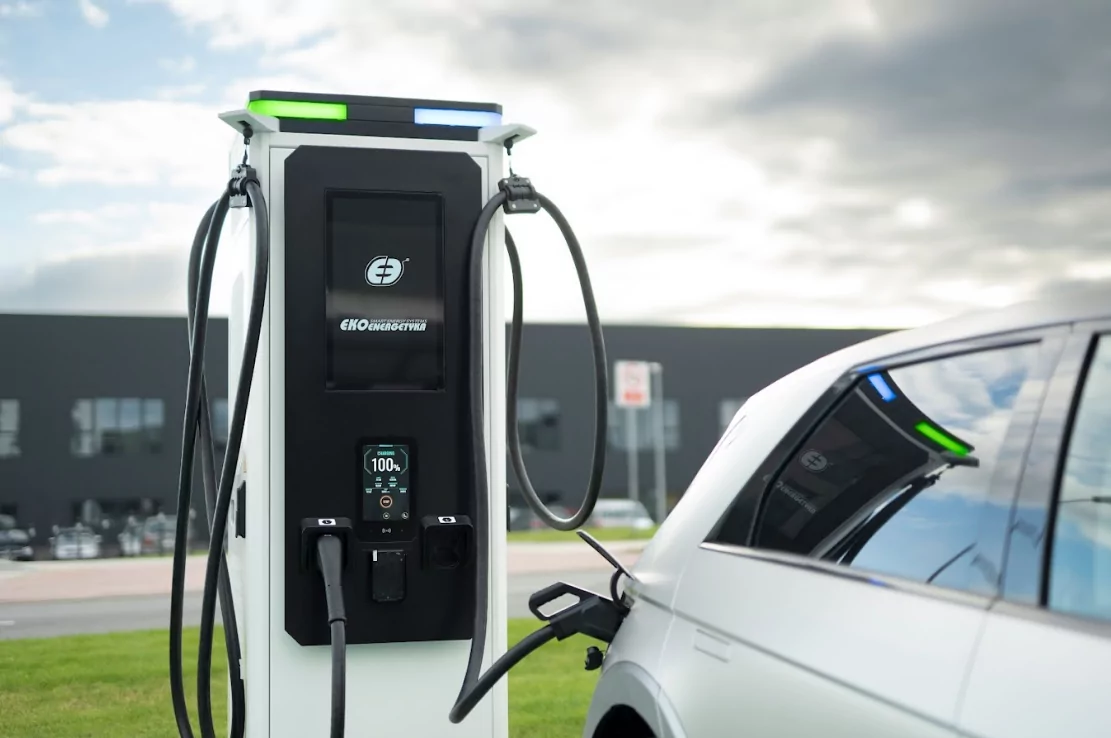

The adoption of electric vehicles in Thailand is accelerating, bringing a significant shift in how people think about personal transport. As more drivers switch from petrol to electric, the demand for efficient and rapid charging infrastructure grows. The conversation is moving beyond simply having enough charging stations; it is now about the quality and speed of those stations.
A major development in this area is the introduction of high-power Direct Current (DC) charging. Unlike standard Alternating Current (AC) chargers typically found in homes, DC systems can deliver power directly to the vehicle’s battery. This capability makes a fast charge ev charger a game-changer for drivers on the go. The ability to significantly reduce charging times makes long-distance travel in an EV much more practical.
For Thailand, embracing this advanced technology is essential for supporting its growing EV market. A robust network of high-power DC chargers can alleviate range anxiety, one of the main concerns for prospective EV buyers. When drivers know they can add hundreds of kilometres of range in the time it takes to grab a coffee, the appeal of electric cars increases substantially. This infrastructure supports both private car owners and commercial fleets.
Understanding High-Power DC Charging
So, what makes DC charging different? Standard AC chargers send electricity to the car’s onboard converter, which then changes it to DC to fill the battery. This process has limits on charging speed. High-power DC chargers bypass the onboard converter entirely, supplying high-voltage direct current straight to the battery.
This direct connection allows for much faster power transfer. While a home AC charger might add around 20-40 kilometres of range per hour, a high-power DC station can add that much in just a few minutes. Power outputs for these stations are measured in kilowatts (kW), with newer systems capable of delivering 150 kW, 350 kW, or even more.
This technology is paving the way for a future where refuelling an EV is nearly as quick as filling a conventional car with petrol. As battery technology improves to accept these higher charging rates, the time spent at a charging station will continue to decrease.
The Impact on Thailand’s EV Ecosystem
Implementing a widespread network of high-power DC chargers will be transformative for Thailand. It encourages greater EV adoption by making electric cars a more convenient choice for everyday life and long journeys between provinces. This development supports the government’s goals of reducing carbon emissions and promoting sustainable energy.
Furthermore, it creates new opportunities for businesses. Petrol stations, shopping centres, and hospitality venues can install these chargers to attract EV drivers. A strong charging network also positions Thailand as a leader in sustainable transport within Southeast Asia. Building this infrastructure is a forward-thinking investment in the country’s clean energy future, ensuring that the transition to electric mobility is smooth and efficient for everyone.
Comments are closed.